- Каталог
- История на икономическата мисъл
- Естествено право. Просвещение. Класика
- Селско стопанство. Организация на промишлеността
- Комуникации и транспорт
- Икономика на труда, образованието, здравеопазването
- Екология и икономика на околната среда
- Икономика на публичния сектор
- Финанси. Банки
- Международни икономически отношения
- Макроикономика
- Микроикономика
- Икономическа политика
- Икономика на фирмата. Управление. Счетоводство
- Иконометрия. Статистика. Методи
- Икономическо развитие
- Икономики в преход
- Икономическа история
- Право
- Икономика
- Обществено-политически науки
- Философия, психология, религия
- История
- Философия
- Религия
- Неправителствени организации. Гражданско общество
- Природо-математически науки
- Публицистика. Художествена литература
- Автобиографии. Биографии. Мемоарна литература
- Общи интереси
- Справочна литература. Периодика
- Икономика за начинаещи
- Автори
- Нови книги
- Популярни книги
- Всички книги
Препоръчани
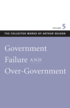 Government Failure and Over-Government
"In the fifth volume of The Collected Works of Arthur Seldon, Arthur Seldon uses public choice economics research to support his theory of over-government. The term "over-government" was coined by...
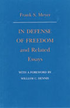 In Defense of Freedom and Related Essays
Meyer has done more than anyone in America to search out the metaphysics of freedom. —William F. Buckley, Jr., Founding Editor, National Review When it first appeared in 1962, In Defense of...


България, София 1000
Бул. "Патриарх Евтимий" №10, етаж 2
Тел. / Факс: (+ 359 2) 952 62 66, 952 35 03
E-mail: library@ime.bg
 Библиотеката съществува
с подкрепата на фондация
Designed & Developed by MTR Design
- Начало
- |
- За нас
- |
- Каталог и Резервация
- |
- Събития
- |
- Контакти
- |
- Карта на сайта
- |
- Бюлетин