- Каталог
- История на икономическата мисъл
- Естествено право. Просвещение. Класика
- Селско стопанство. Организация на промишлеността
- Комуникации и транспорт
- Икономика на труда, образованието, здравеопазването
- Екология и икономика на околната среда
- Икономика на публичния сектор
- Финанси. Банки
- Международни икономически отношения
- Макроикономика
- Микроикономика
- Икономическа политика
- Икономика на фирмата. Управление. Счетоводство
- Иконометрия. Статистика. Методи
- Икономическо развитие
- Икономики в преход
- Икономическа история
- Право
- Икономика
- Обществено-политически науки
- Философия, психология, религия
- История
- Философия
- Религия
- Неправителствени организации. Гражданско общество
- Природо-математически науки
- Публицистика. Художествена литература
- Автобиографии. Биографии. Мемоарна литература
- Общи интереси
- Справочна литература. Периодика
- Икономика за начинаещи
- Автори
- Нови книги
- Популярни книги
- Всички книги
Препоръчани
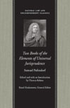 Two Books of the Elements of Universal Jurisprudence
Two Books of the Elements of Universal Jurisprudence was Pufendorf’s first work, published in 1660. Its appearance effectively inaugurated the modern natural-law movement in the German-speaking...
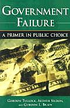 Government Failure: A Primer in Public Choice
When market forces fail us, what are we to do? Who will step in to protect the public interest? The government, right? Wrong. The romantic view of bureaucrats coming to the rescue confuses the true...


България, София 1000
Бул. "Патриарх Евтимий" №10, етаж 2
Тел. / Факс: (+ 359 2) 952 62 66, 952 35 03
E-mail: library@ime.bg
 Библиотеката съществува
с подкрепата на фондация
Designed & Developed by MTR Design
- Начало
- |
- За нас
- |
- Каталог и Резервация
- |
- Събития
- |
- Контакти
- |
- Карта на сайта
- |
- Бюлетин