- Каталог
- История на икономическата мисъл
- Естествено право. Просвещение. Класика
- Селско стопанство. Организация на промишлеността
- Комуникации и транспорт
- Икономика на труда, образованието, здравеопазването
- Екология и икономика на околната среда
- Икономика на публичния сектор
- Финанси. Банки
- Международни икономически отношения
- Макроикономика
- Микроикономика
- Икономическа политика
- Икономика на фирмата. Управление. Счетоводство
- Иконометрия. Статистика. Методи
- Икономическо развитие
- Икономики в преход
- Икономическа история
- Право
- Икономика
- Обществено-политически науки
- Философия, психология, религия
- История
- Философия
- Религия
- Неправителствени организации. Гражданско общество
- Природо-математически науки
- Публицистика. Художествена литература
- Автобиографии. Биографии. Мемоарна литература
- Общи интереси
- Справочна литература. Периодика
- Икономика за начинаещи
- Автори
- Нови книги
- Популярни книги
- Всички книги
Препоръчани
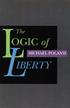 The Logic of Liberty
A chemist and member of a family renowned for its learning in several disciplines, Michael Polanyi experienced first-hand the horrors of totalitarian government and worldwide war. Consequently there...
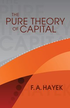 The Pure Theory of Capital
The Pure Theory of Capital, F. A. Hayek’s long-overlooked, little-understood volume, was his most detailed work in economic theory. Originally published in 1941 when fashionable economic thought...


България, София 1000
Бул. "Патриарх Евтимий" №10, етаж 2
Тел. / Факс: (+ 359 2) 952 62 66, 952 35 03
E-mail: library@ime.bg
 Библиотеката съществува
с подкрепата на фондация
Designed & Developed by MTR Design
- Начало
- |
- За нас
- |
- Каталог и Резервация
- |
- Събития
- |
- Контакти
- |
- Карта на сайта
- |
- Бюлетин